Food Styling Tricks: What Pros Really Do
Jun 17, 2026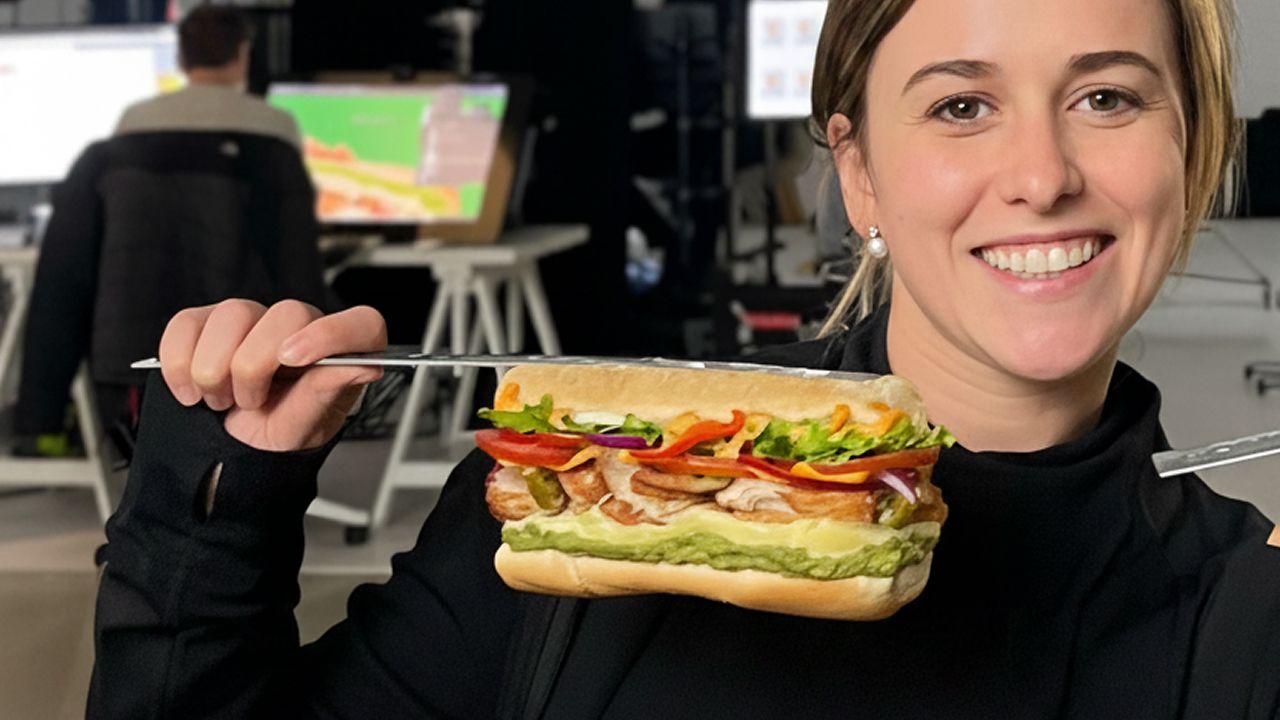
Food styling tricks are the reason a burger in an ad looks taller, juicier and more perfect than anything you have ever been served. Behind almost every mouth-watering food image is a stylist quietly solving problems the camera creates: food that wilts, melts, dries out, collapses or simply photographs flat.
Some of those tricks are legendary — motor oil on pancakes, glue in cereal, mashed potato “ice cream.” They make great trivia, but they only tell half the story. Modern professional food styling relies far more on real food and repeatable craft than on inedible shortcuts. This guide separates the myths from the methods: the classic commercial tricks worth knowing, why the industry has moved on from many of them, and the techniques professionals actually use today to make real food look incredible.
The Classic Commercial Tricks (and Where They Came From)
These old-school tricks became famous because they genuinely solved a problem under hot studio lights, in an era before digital retouching and stricter advertising rules. They are worth understanding — and worth knowing when not to use.
- Mashed potato “ice cream.” Real ice cream melts in seconds under lights, so stylists historically sculpted mashed potato (or lard and powdered sugar) tinted with food coloring to hold a perfect scoop.
- Glue instead of milk. Cereal goes soggy and sinks fast, so white glue was poured into the bowl to keep flakes floating and crisp on top.
- Motor oil for syrup. Real syrup soaks into pancakes and makes them soggy, so motor oil was used as a glossy, non-absorbing stand-in.
- Shoe polish on meat. Brown polish or a quick blowtorch gave burger patties and roast meat that deep, grilled color.
- Faked steam. A warmed, damp cotton ball (or microwaved tampon) hidden behind a plate produced “fresh-from-the-oven” steam on demand.
- Stunt foam on drinks. A soap-and-salt mixture mimics beer foam and lasts far longer than the real thing.
The key point: these are non-consumable tricks for product that will never be eaten. They belong to a specific context, and several are now restricted in advertising.
Why Modern Food Styling Uses Real Food
The industry has shifted. Advertising standards in many markets require that an ad fairly represents the actual product — you generally cannot show a competitor’s glued cereal as your own and call it honest. At the same time, clients and audiences increasingly value authenticity, and digital retouching now handles many problems that used to require chemical shortcuts.
So the modern professional’s job is less about faking food and more about making real food behave — cooking it for the camera, preserving it on set, and building it so it photographs at its best. That is where the real skill lives.
The Techniques Pros Actually Use Today
Cooking for the Camera, Not the Plate
Food cooked to eat often looks worse than food cooked for camera. Stylists routinely undercook or par-cook to keep color and structure: vegetables stay vivid and firm, meat keeps its shape, and pastry holds its edges. A blowtorch then adds realistic grill marks and golden color exactly where the lens needs them.
Building Height and Structure
Hero burgers and sandwiches are engineered. Stylists use cardboard or paper towel inside to add height, hold layers in place with hidden toothpicks or skewers, and position every element — a peeking tomato, a wave of lettuce, a sesame-perfect bun — to face the camera. The goal is a stack that looks generous and architectural rather than squashed.
Color, Gloss and Freshness
Food dries out and dulls under lights, so stylists keep it looking just-made:
- Brushing oil or a glycerin-water mix onto meat, bread and vegetables for a fresh, glossy sheen.
- Misting salads and produce with water to restore a dewy, crisp look.
- Choosing and trimming the single best “hero” piece from dozens of options.
- Using cotton swabs and brushes to clean plate edges and place sauces precisely.
Sauces, Drizzles and Pours
Sauces are applied last and deliberately, often with a spoon, bottle or pipette for control, and frequently thickened so they cling and drip exactly where intended rather than running off the plate. Drizzle and pour shots are planned, caught with a fast shutter, and reset between takes.
Steam and “Just-Served” Cues
Real steam can be created by microwaving the dish just before the shot; when that fails, the hidden warm damp-cotton trick still reads as natural. Small details — a few crumbs, a smear, a dripping edge — signal freshness and make a styled plate feel real rather than sterile.
Ice Cream and Frozen Foods
For frozen products that melt instantly, stylists either work extremely fast with the real product and a freezer on standby, or build durable stand-ins for non-consumable hero shots. Knowing which approach a job allows — and what the client’s legal requirements are — is part of the professional’s judgment.
The Tools Behind the Tricks
Almost every technique above depends on a small, specific kit: tweezers, brushes, pipettes, spray bottles, a blowtorch, cotton swabs, offset spatulas and skewers. If you are assembling yours, our food styling tools checklist covers what professionals actually carry to set and why.
Drinks Have Their Own Tricks
Liquids are a discipline of their own — ice that won’t melt, condensation that lasts, foam that holds and bubbles that pop too fast. If you work with beverages, see our dedicated guide to drink styling and how to style drinks for photography.
Ethics and Advertising Standards
A professional stylist needs to know the line between clever and deceptive. Editorial work, packaging, social content and broadcast advertising all carry different expectations, and many regions require that food advertising represents the genuine product. The most respected stylists treat “real food, beautifully prepared” as the default and reserve non-edible techniques for clearly non-consumable hero shots — never to misrepresent what a customer will actually receive.
Accessible Tricks for Social Media and Beginners
You do not need a commercial kit to apply the principles at home:
- Choose your best-looking single piece as the hero and build the shot around it.
- Brush a little oil for natural shine instead of any chemical gloss.
- Mist herbs and produce with water to look freshly picked.
- Shoot quickly, before food cools, wilts or separates.
- Use soft, directional natural light — near a window beats harsh overhead light.
- Add a real garnish, a few crumbs or a deliberate drip for a just-made feel.
For a structured starting point, our food styling for beginners guide walks through the fundamentals step by step.
Common Mistakes Beginners Make
- Cooking food fully when undercooking would photograph better.
- Adding sauce too early so it soaks in and dulls before the shot.
- Over-styling until the plate looks fussy and fake.
- Forgetting to clean plate edges and crumbs the camera will magnify.
- Relying on tricks instead of learning to handle real food well.
- Ignoring lighting — the best styling fails under flat, harsh light.
How to Learn Professional Food Styling
Tricks are easy to memorize; judgment is what takes practice — knowing which technique a given dish, brief and client actually call for. The fastest way to build that judgment is structured training combined with consistent personal projects.
The Food & Drink Styling course library teaches the techniques that make real food look its best and last longer on set. Beginners can start with the Beginner Food Styling Course, build technical depth in the Fundamentals Food Styling Course, and progress toward commercial work with the Premium Food Styling Program. If you are still deciding whether this is the right path, our guide on how to become a food stylist lays out the full picture.
Frequently Asked Questions
Do food stylists really use motor oil and glue?
Those tricks are real but largely historical and reserved for non-consumable hero shots. Modern professional food styling relies mostly on real food, careful preparation and digital retouching, partly because advertising standards in many markets require ads to represent the actual product.
Why is ice cream in commercials sometimes fake?
Real ice cream melts within seconds under studio lights. Stylists either work very fast with the real product or, for non-edible hero shots, sculpt durable stand-ins such as tinted mashed potato so the scoop holds its shape.
How do stylists make burgers look so tall?
Hero burgers are engineered with hidden supports — cardboard or paper towel for height, toothpicks to hold layers — and every element is positioned to face the camera so the stack looks generous and architectural.
What is the most useful food styling trick for beginners?
Pick the single best-looking piece as your hero, brush a little oil for natural shine, mist produce with water for freshness, and shoot quickly in soft directional light. These simple habits improve almost any food photo.
Is faking food in ads legal?
It depends on the market and context. Many regions require food advertising to fairly represent the genuine product, so non-edible tricks are limited to clearly non-consumable hero shots, never to misrepresent what a customer will receive. Editorial and social content have more creative freedom.
Final Thoughts
The famous food styling tricks make great stories, but they are only a small part of the craft — and many belong to a previous era. Today’s best stylists win by making real food behave: cooking for the camera, building structure, preserving freshness, and applying just enough technique to look effortless. Learn the myths so you understand the history, then invest in the real techniques and judgment that clients actually hire for.
Ready to go deeper? Explore the Food & Drink Styling courses and start practicing these techniques on your own projects this week.