Best Food Styling Courses Online for Beginners & Professionals
Jun 17, 2026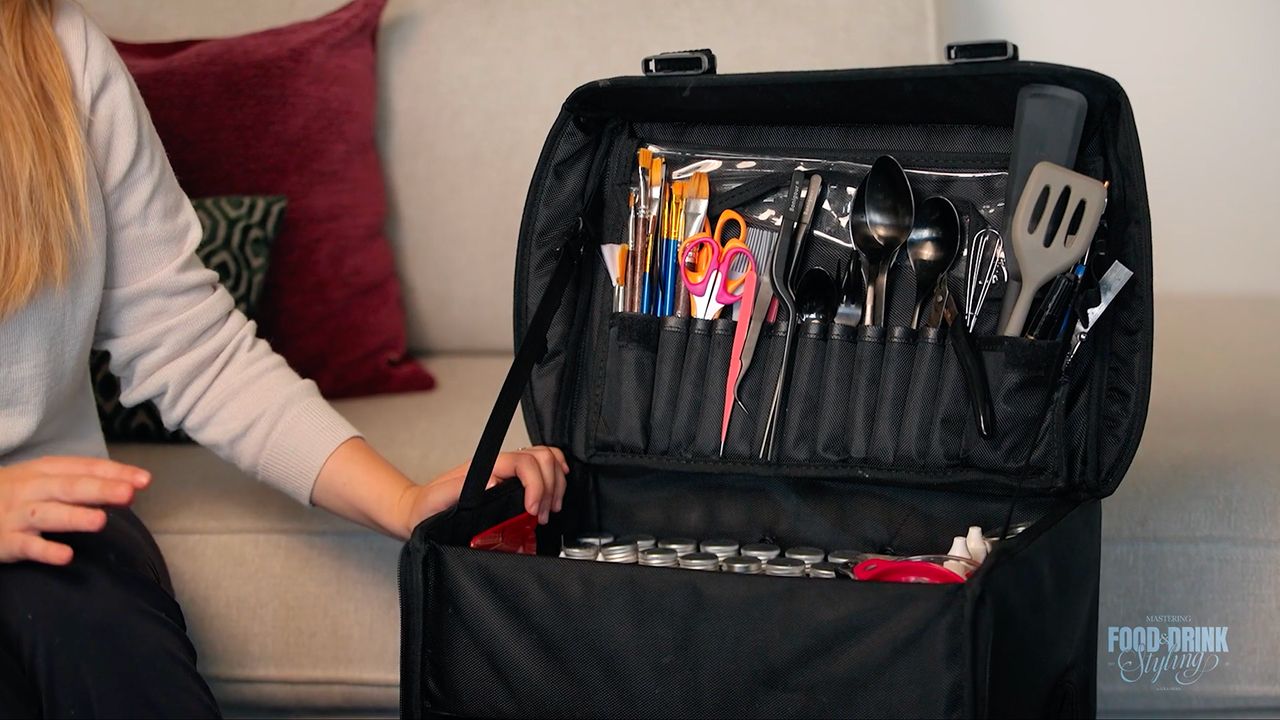
Finding the best food styling courses online can feel surprisingly overwhelming once you start researching seriously.
Some courses focus heavily on photography but barely touch styling. Others are beautifully branded but stay very surface-level. A few are genuinely useful for beginners but don’t help much once you start thinking about client work, portfolio development, or commercial shoots.
And then there’s the bigger question most aspiring food stylists eventually ask: can online food styling education actually prepare you for professional work?
The answer is yes — if the course is built around real-world experience, practical styling skills, and creative development.
Food styling is one of those creative fields where technical details matter more than people initially expect. It’s not only about plating attractive dishes. Professional stylists learn how food behaves under lighting, how commercial shoots operate, how to maintain texture during long productions, and how to create visual consistency for brands, restaurants, publishers, and advertising campaigns.
The strongest food styling courses teach both creative and practical thinking. That combination matters.
What Is a Food Styling Course?
A food styling course teaches students how to prepare, arrange, style, and present food for photography, video, advertising, publishing, social media, and commercial brand content.
It is important to understand that professional Food & Drink Stylists normally are not the ones in charge of an image’s:
- composition
- prop styling
- color theory
- lighting
These are roles of the Art Directors, Prop Stylists and Photographers.
A true Food & Drink Styling professional course should focus on:
- Technical skills to make food & drinks last on set and meet client’s expectations
- Explanation of the tools needed in the industry
- Insight on a shoot’s workflow
- Guidance on portfolio development
Some programs are designed for complete beginners. Others focus on advanced commercial production or professional-level styling techniques.
One thing beginners often misunderstand is the difference between food photography and food styling.
Photography focuses on the camera, lighting setup, technical capture, and editing.
Food styling focuses on:
- the food itself
- visual storytelling
- texture control
- plating
- structure
- ingredient preparation
- aesthetic presentation
The two overlap constantly, but they are different skill sets. That distinction becomes much clearer once you start working on real shoots.
How to Choose the Best Food Styling Course
Not every course is built for the same goal.
Some people want a creative hobby. Others want to transition into freelance work or commercial production. The best online food styling classes usually align clearly with the student’s actual career direction.
Skill Level and Experience
A complete beginner needs something very different from someone who is looking to make Food & Drink Styling their full-time career.
Beginner-focused courses should teach:
- Basic styling techniques
- Basic tools needed
More advanced programs should move into:
- Complex styling recipes
- Complex styling techniques
- Full information on tools needed
- Major client brand focused styling
- Portfolio guidance
- Production workflow
One common issue with broad creative learning platforms — such as Skillshare, CreativeLive, or Coursera — is that food styling content often stays very introductory. It can inspire people visually without teaching enough technical depth.
That’s one reason specialized platforms like Food & Drink Styling tend to feel more practical for students pursuing food and drink styling seriously.
Portfolio Development
A strong portfolio matters far more than certificates in this industry.
Good food styling courses should help students:
- create intentional projects
- develop visual consistency
- understand commercial aesthetics
- build industry-relevant work
Some courses teach techniques that are not relevant for major industry brands. That’s a major gap.
The best programs usually combine technical learning that you can directly apply in creating your commercial-worthy portfolio. The portfolio is ultimately what helps stylists find work, so looking at the portfolio of the stylist that created the course is crucial to understand what clients and type of work you will learn.
Mentorship and Community
Creative work improves faster with feedback. This is one area where online education varies dramatically.
Some courses are entirely passive:
- pre-recorded videos
- no feedback
- no community
- no project review
Others offer:
- mentorship
- industry community
- creative guidance
- portfolio feedback
- industry insight
For many students, that support structure becomes one of the most valuable parts of the learning process.
Food styling can feel isolating early on, especially when practicing alone at home. Access to experienced guidance helps students improve faster and avoid common beginner mistakes.
Commercial Industry Training
A lot of aesthetic-focused content online skips the realities of commercial work.
Professional food styling involves:
- Pricing
- Invoicing
- Agent representation
- Self promotion
- Portfolio building
Courses built around real industry workflow tend to prepare students more effectively for paid projects.
That doesn’t mean every student needs to pursue advertising campaigns. But understanding professional expectations helps build stronger habits from the beginning.
Best Food Styling Courses Online in 2026
There are still not many food styling courses online, and only a small percentage focus specifically on professional food styling rather than general food photography or casual content creation.
Below are some of the strongest types of programs available for different goals and experience levels.
Beginner Food Styling Courses
Beginners need clarity more than complexity.
The Beginner Food Styling Course works particularly well because it gives you a quick glimpse into the job role and requirements.
Strong beginner programs should teach:
- Basic tools needed
- Basic styling techniques
One thing that separates stronger beginner courses from weaker ones is realism.
Some courses will pretend that food styling only involves plating something nicely and adding some oil to make it shine. That is far from what is expected from a food stylist. A good basic course will introduce the realities of the job and help you style a perfect burger for a brand like McDonald’s, for example.
Advanced Food Styling Programs
Intermediate stylists eventually hit a point where beginner tutorials stop being enough. This is usually where advanced food styling programs become valuable.
The Advanced Food Styling Course is more aligned with students wanting to understand:
- Complex food styling techniques
- Complex drink styling techniques
- Different solutions per type of job (e.g. motion vs photography)
- International brand focused jobs
Advanced learning often shifts from “that can be fixed with Photoshop” toward “WOWing the client with your everlasting solution.” That’s a very different mindset that will help you retain your dream clients.
Professional Mentorship Courses
Some students want more than tutorials. They want:
- feedback
- accountability
- career direction
- portfolio guidance
- professional mentorship
The Premium Food Styling Program leans more toward long-term professional development rather than isolated technical lessons.
That matters because food styling careers are rarely built through technical skill alone.
Many talented creatives struggle with:
- consistency
- client confidence
- portfolio positioning
- pricing
- commercial expectations
Mentorship-based learning helps bridge that gap.
Food Styling Courses vs General Photography Courses
This is where many beginners accidentally lose time.
A general photography course may teach:
- camera settings
- editing
- lighting
- exposure
- composition
All useful skills. But food styling requires more specialised knowledge:
- food behavior under lights
- ingredient preparation
- texture preservation
- specific skills and tools to style each food/drink item
Food styling also moves differently than portrait or landscape photography. A melting dessert creates time pressure. Sauces separate. Garnishes wilt. Ice cream becomes unusable quickly.
Those realities require workflow decisions that general photography classes rarely address. The strongest food stylist course programs understand both the creative and technical realities of food production.
Are Online Food Styling Courses Worth It?
Usually, yes — if the course is specialized and practical.
Self-teaching is absolutely possible. Many professional stylists started that way. But self-teaching often involves:
- inconsistent information
- lack of self confidence when going to set
- slow progress
- technical confusion
- lack of feedback
Structured education shortens the learning curve significantly.
A good online food styling course can help students:
- avoid beginner mistakes
- understand workflow faster
- build stronger portfolio work
- improve visual consistency
- gain creative direction
That said, courses alone do not create careers. Practice still matters more than passive watching. Students improve fastest when they actively shoot, experiment, fail, rebuild, and refine their work repeatedly.
What Skills You Can Learn from Food Styling Courses
The best food styling courses online teach much more than aesthetics alone.
Composition and Plating
Students learn how visual balance affects appetite and storytelling. That includes:
- layering
- garnish placement
- texture contrast
- color harmony
Professional stylists become extremely detail-oriented over time. Tiny adjustments often change an image dramatically.
Photography and Styling Techniques
Strong courses teach students:
- the importance of the camera angle when styling
- how light affects the product — for example steam
- how to prepare foods and drinks for different set ups (photography vs motion)
This is where beginners often realize food styling is far more technical than expected.
Commercial Food Styling
Commercial work requires efficiency and consistency. Students pursuing professional work benefit from understanding:
- shot lists
- production timing
- brand expectations
- collaboration workflow
- campaign consistency
The gap between hobby-level styling and commercial production is usually workflow.
Freelancing and Client Work
Creative skill alone rarely sustains freelance careers. Many food stylists eventually need to learn:
- pricing
- contracts
- communication
- portfolio positioning
- client expectations
This is why career-focused learning resources matter alongside creative education. The Full Course Library includes educational paths that move beyond styling techniques into broader professional development.
How Long Does It Take to Learn Food Styling?
Most people can learn basic food styling fundamentals within a few months of consistent practice. Professional-level consistency takes much longer.
Food styling improves through repetition:
- rebuilding food & drink items
- testing with experienced photographers
- new challenges
- correcting mistakes
- refining workflow
Beginners often progress quickly at first because visual improvements become noticeable early on. The harder transition usually comes later — developing a recognizable style, professional consistency, and commercial-level execution. That stage takes patience.
Best Food Styling Courses for Beginners
The best beginner-friendly food styling courses usually share a few characteristics:
- clear instruction
- practical demonstrations
- manageable learning pace
- tool explanation
The Beginner Food Styling Course works particularly well for people entering the industry without prior professional experience.
For students wanting a more complete long-term pathway:
- the Fundamentals Food Styling Course strengthens core technical and creative skills
- the Advanced Food Styling Course supports intermediate growth
- the Premium Program offers more professional-level development and mentorship opportunities
One thing worth remembering: the best course is usually the one that helps you keep practicing consistently. Creative momentum matters more than endlessly researching programs without starting.
Final Thoughts
The best food styling courses online do more than teach attractive plating. They help students understand:
- complex food styling techniques
- complex drink styling techniques
- client expectations
- production realities
- portfolio strategy
That combination is what turns food styling from a casual interest into a real creative skill set.
Some people will pursue food styling as a hobby. Others will build freelance businesses, commercial careers, or creative brands around it. Both are valid.
But if your goal is professional growth, specialized food styling education tends to provide a much stronger foundation than broad generic creative tutorials alone — especially once real client work enters the picture.
Frequently Asked Questions
What are the best food styling courses online?
The best food styling courses online combine technical instruction, portfolio development, professional workflow training, and mentorship opportunities rather than focusing only on aesthetics.
Can I learn food styling online?
Yes. Many professional food stylists begin through online education combined with regular hands-on practice, experimentation, and portfolio development.
Are food styling courses worth it?
Food styling courses can significantly shorten the learning curve by providing structured guidance, technical instruction, workflow training, and creative feedback.
How long does it take to learn food styling?
Most beginners can learn foundational food styling skills within several months, though professional-level consistency and commercial workflow experience usually take longer.
What skills do food styling courses teach?
Food styling courses typically teach complex food styling techniques, complex drink styling techniques, client expectations, production realities, and portfolio strategy.
Do food styling courses include certifications?
Some online food styling courses provide certificates of completion, though portfolio quality and practical skill matter far more in the industry than formal certification alone.
Which food styling course is best for beginners?
Beginner-focused programs with practical demonstrations, manageable pacing, and equipment explanation are usually the best fit for new students.